
 Business License
Blog Categories

How to Choose the Right Nails for Different Applications
Choosing the right nails is a critical step for ensuring strength, durability, and long-term performance in any construction or manufacturing project. Different applications require different nail types, materials, sizes, and finishes. Using the wrong nails can lead to weak connections, corrosion, or even structural failure.
This guide explains how to choose the right nails for different applications, helping buyers, contractors, and distributors make informed decisions—especially for bulk and export orders.
1. Understand the Application First
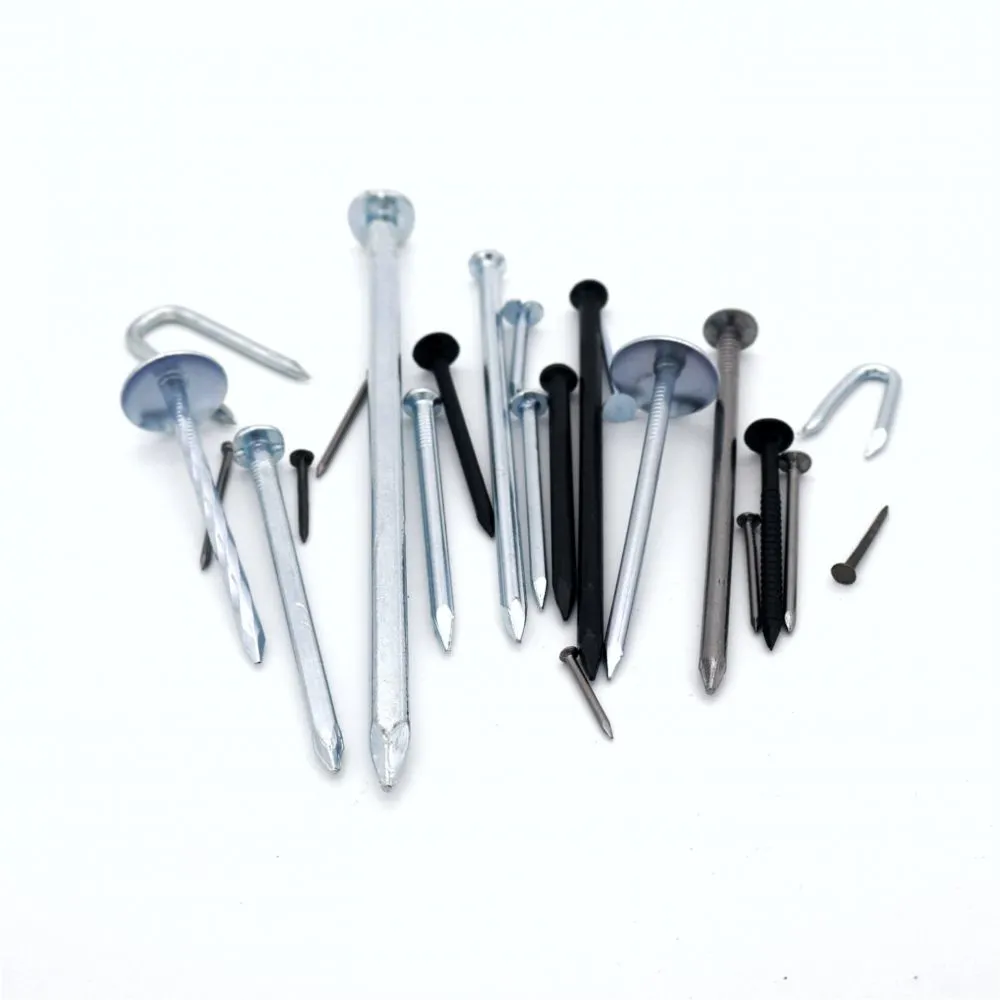
Before selecting nails, the most important question is:
What materials are you fixing together, and in what environment will they be used?
Key factors include:
Wood to wood, wood to concrete, or metal to wood
Indoor or outdoor use
Exposure to moisture, heat, or chemicals
Load-bearing or decorative purpose
Once the application is clear, nail selection becomes much easier.
2. Choosing Nails for Wood Construction
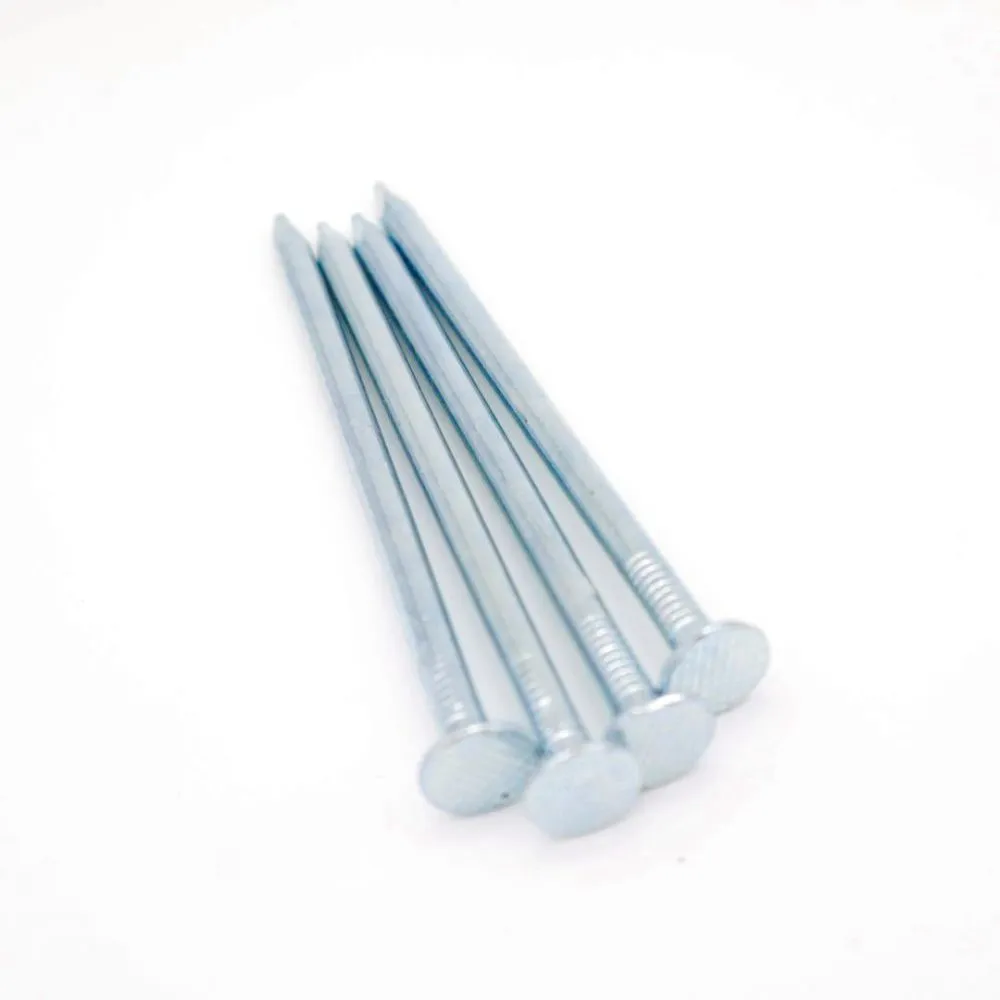
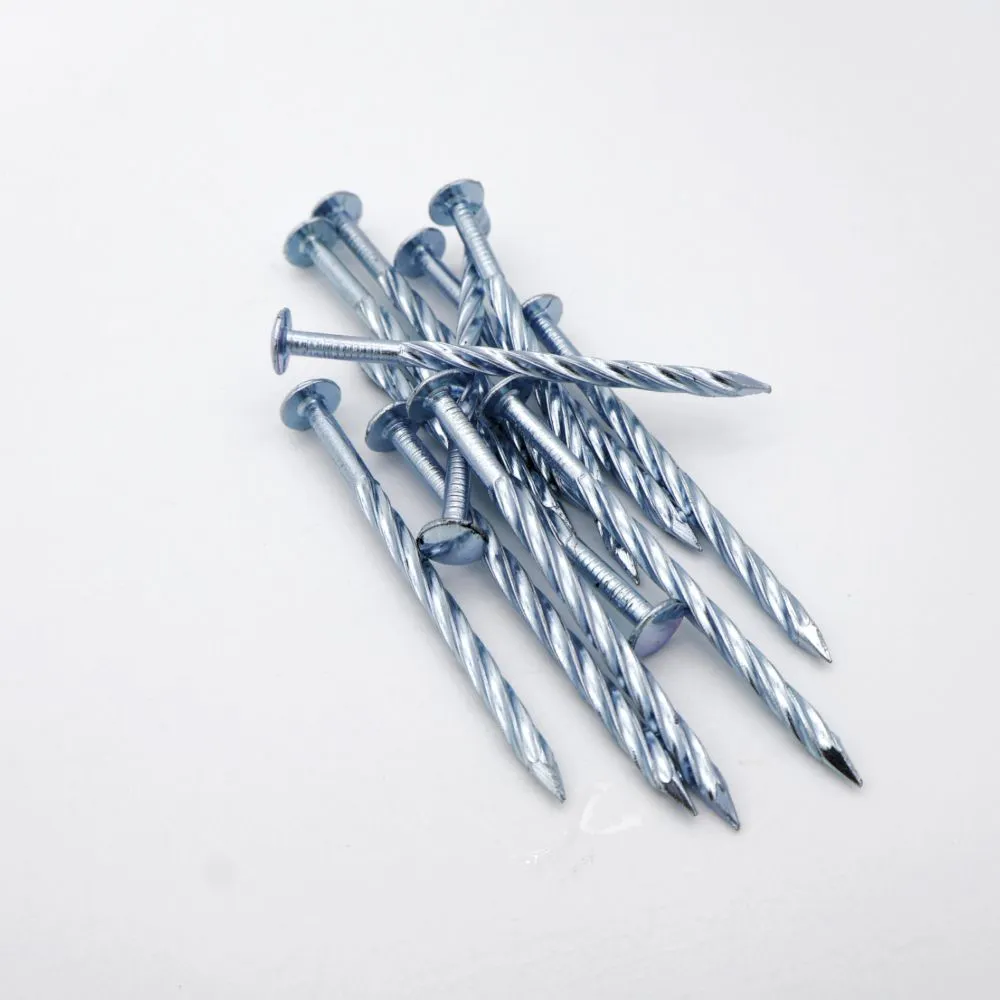
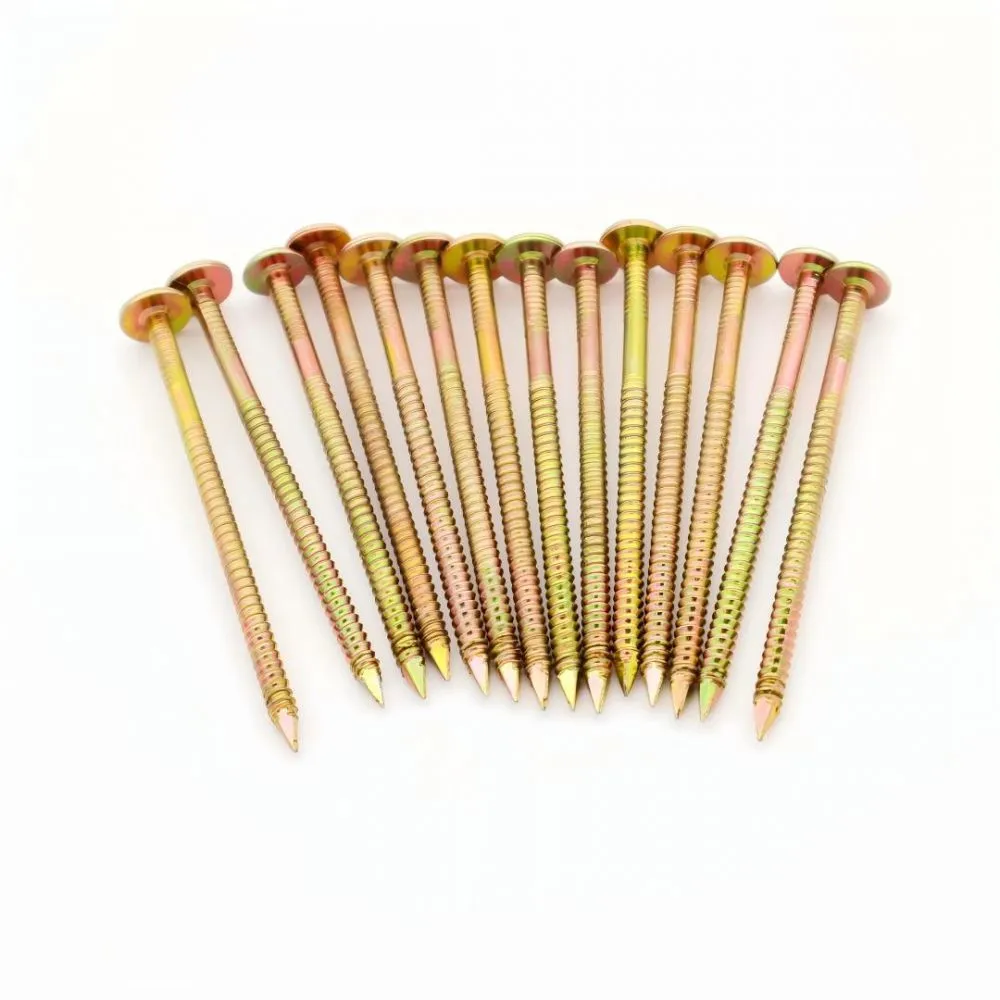
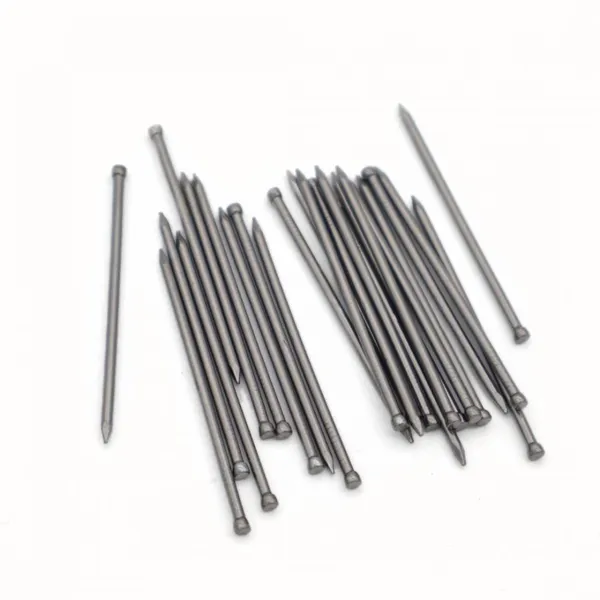
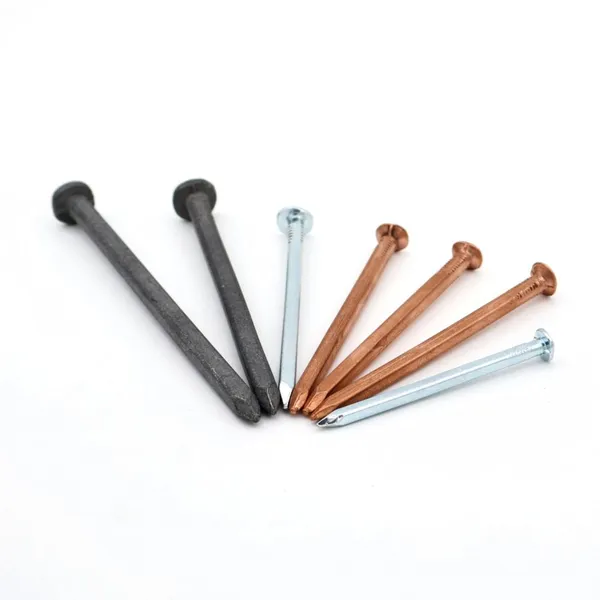
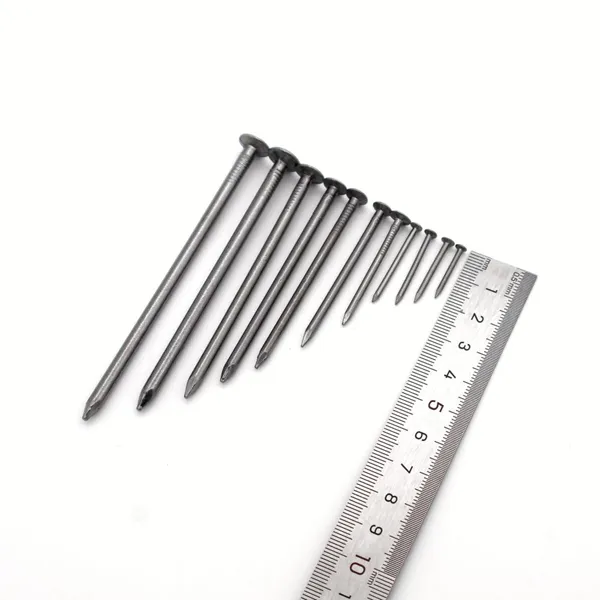
For general woodworking and construction projects, common wire nails, twist nails, and ring shank nails are widely used.
Recommended nail features:
Material: Low carbon steel (Q195 / Q235)
Shank type: Smooth for general use, ring or twist shank for higher holding power
Length: Typically 2–4 times the thickness of the material being fastened
Typical applications:
Wooden frames
Pallets and crates
Furniture structures
General carpentry work
3. Nails for Concrete and Hard Surfaces
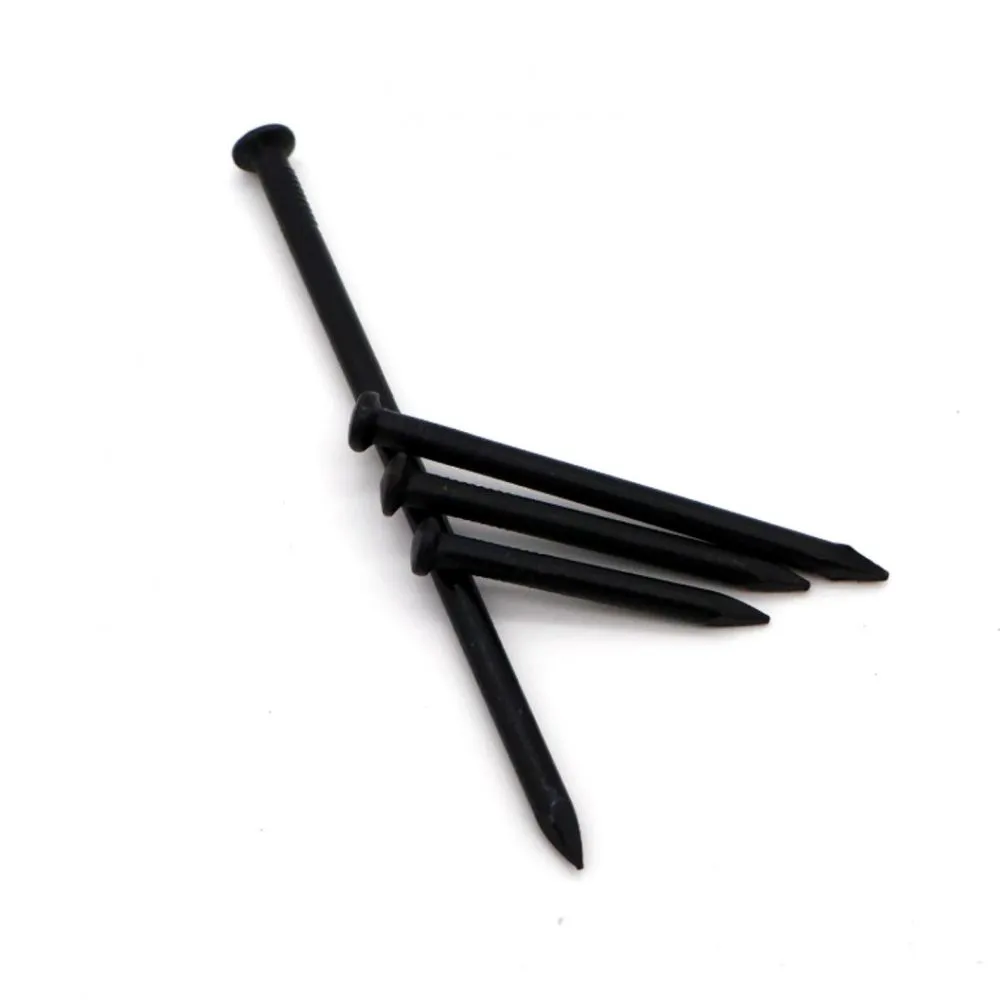
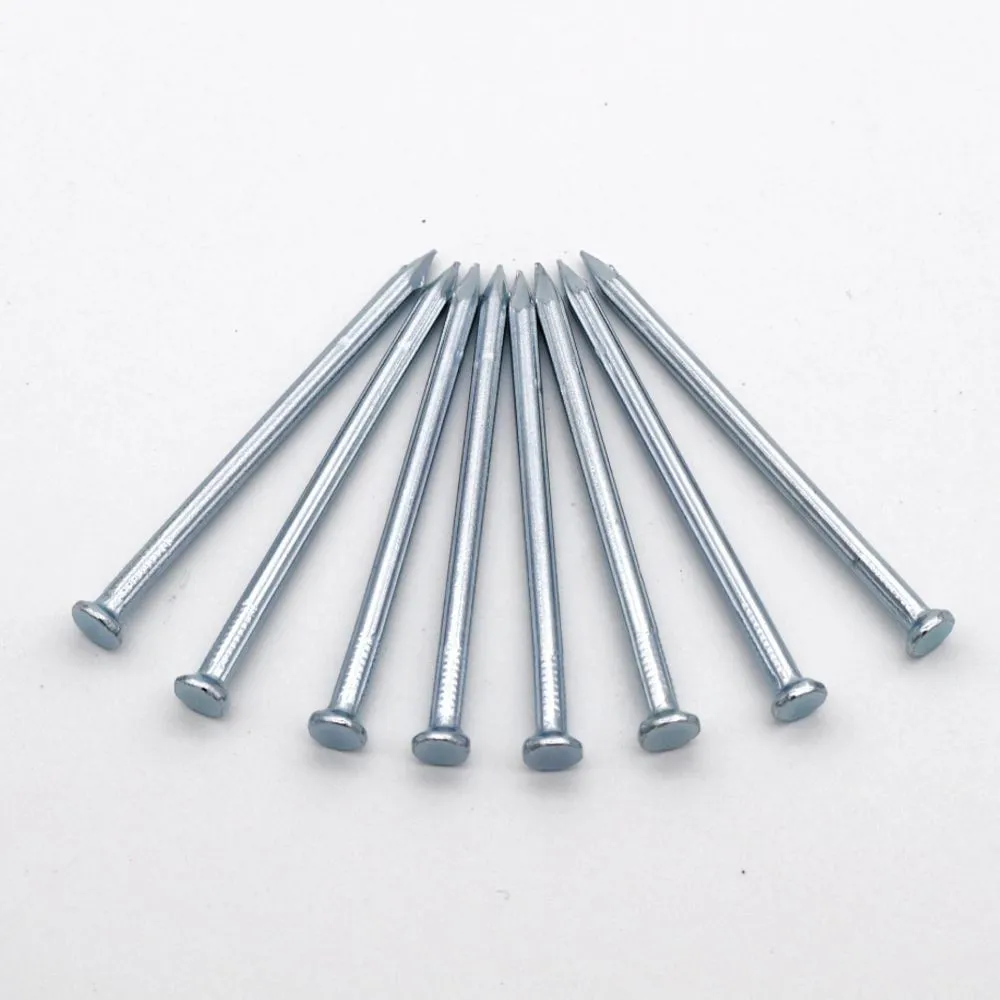
When fixing wood or metal to concrete or masonry, concrete nails made from hardened steel are required.
Key selection points:
Material: Hardened high-carbon steel
Surface: Black, zinc plated, or galvanized
Shank: Fluted or grooved for penetration
Typical applications:
Concrete walls and floors
Brick and masonry fixing
Light steel framing to concrete
4. Roofing and Sheet Fixing Applications
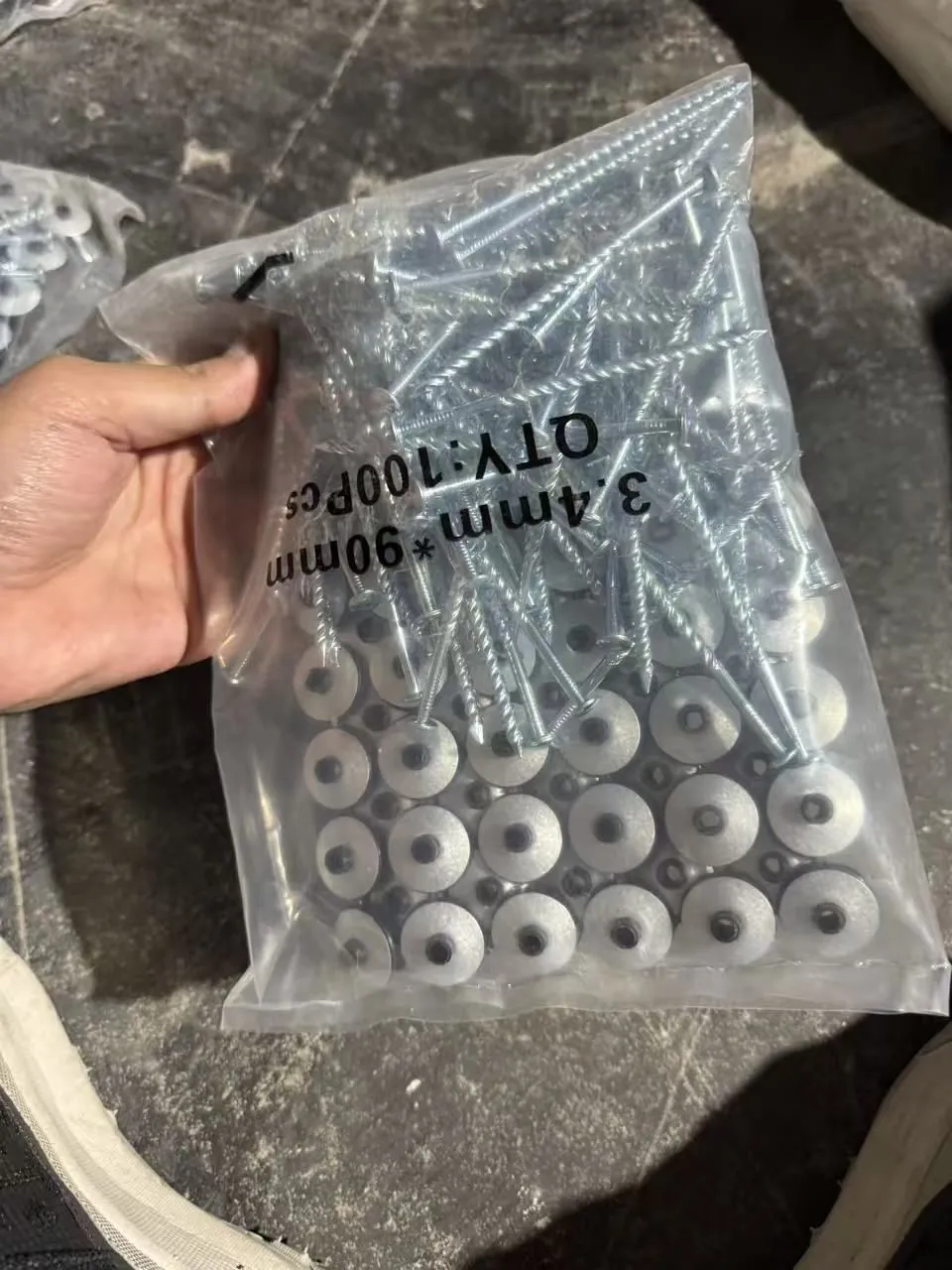
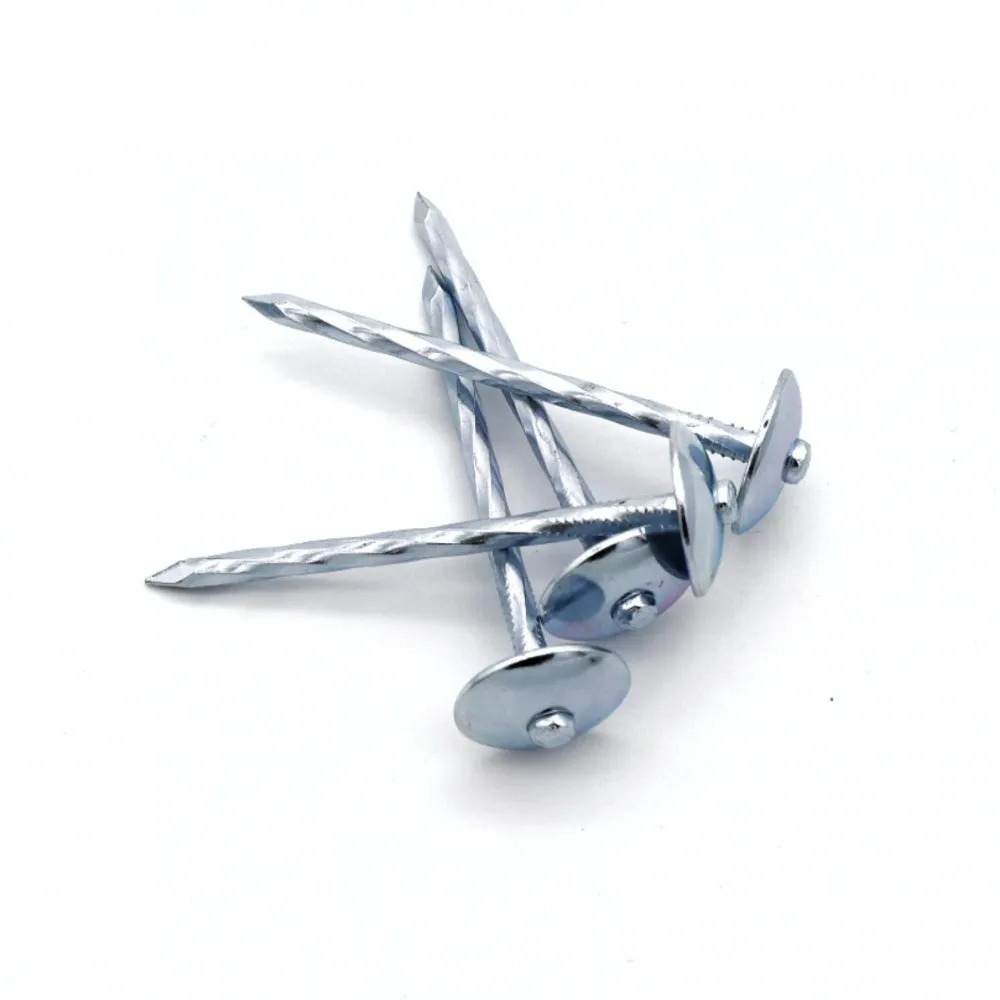
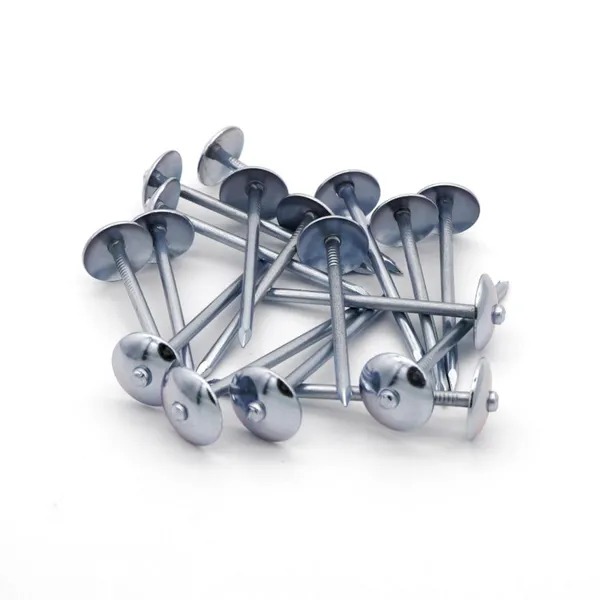
Roofing projects require nails with large heads and corrosion resistance.
Recommended nail types:
Roofing nails
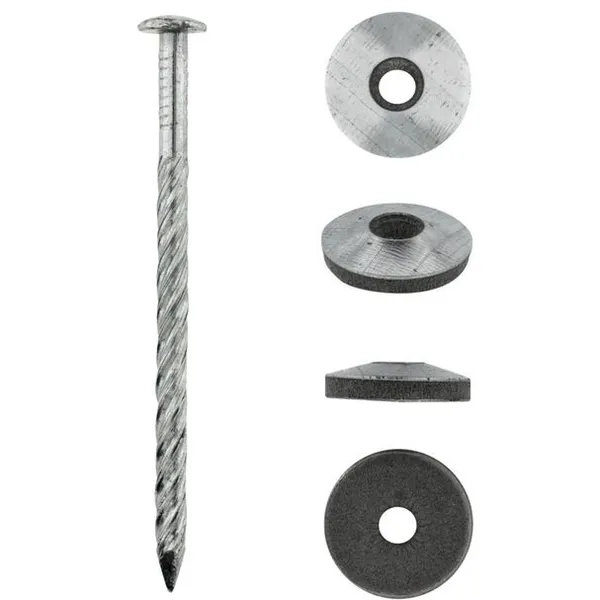
IBR nails
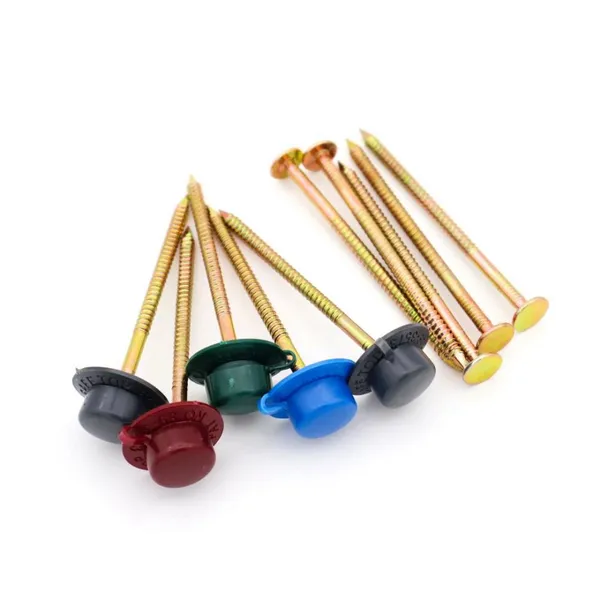
Safe top nails
Key features to consider:
Large umbrella head for better load distribution
Hot-dip galvanized or electro-galvanized finish
Optional rubber washer for waterproof sealing
5. Nails for Footwear and Leather Products
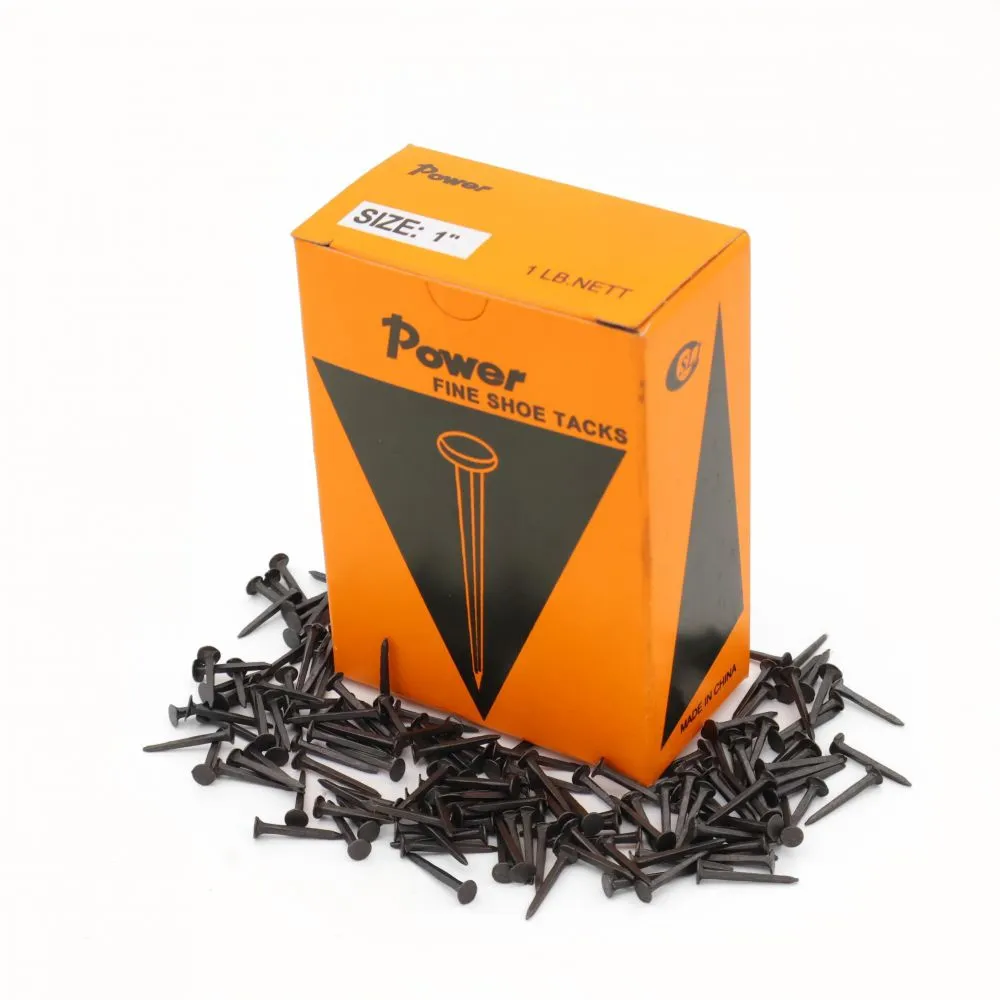
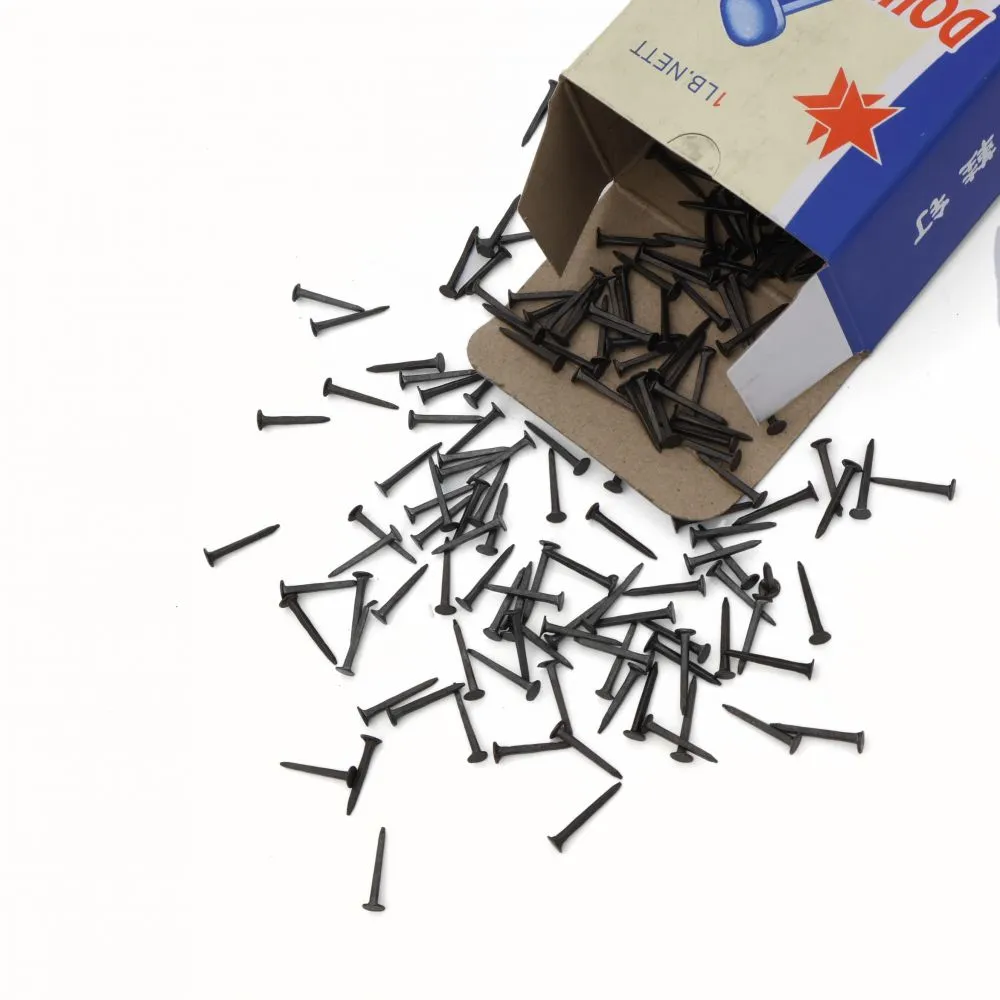
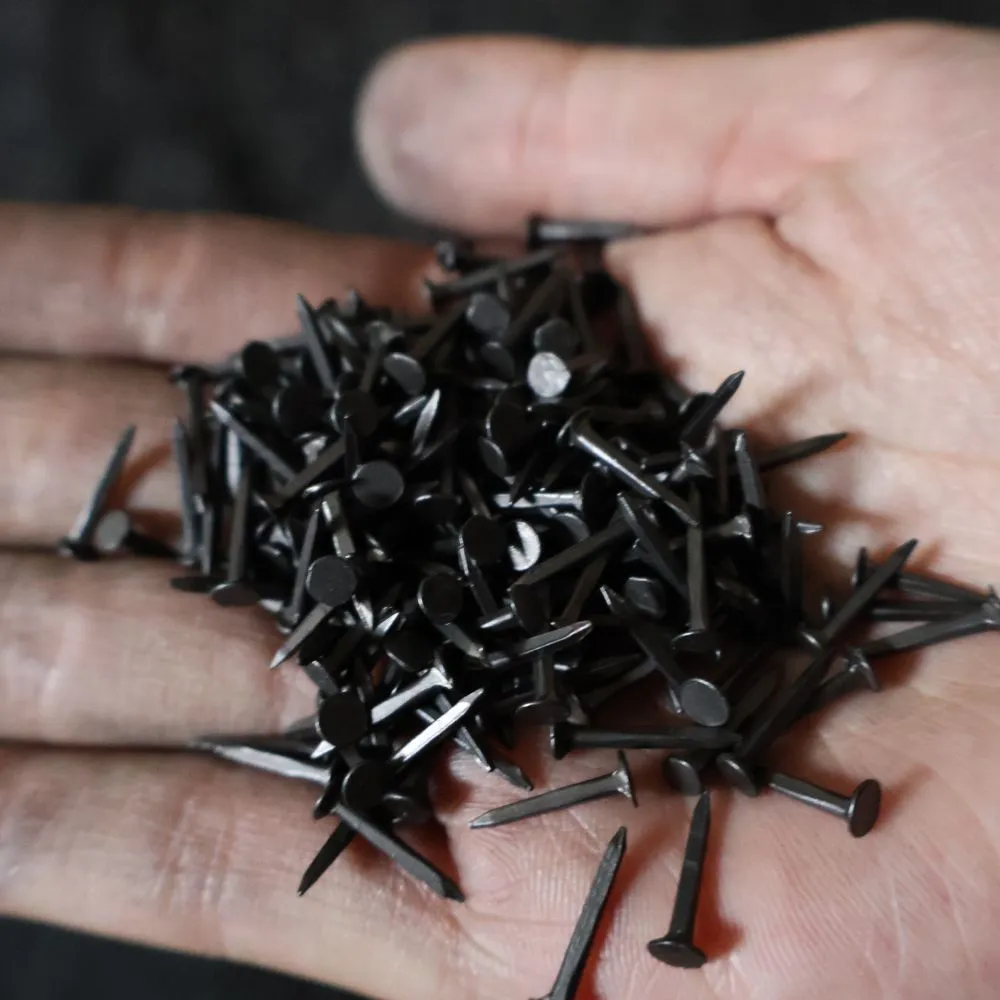
For footwear manufacturing and repair, shoe tacks and fine nails are used.
Selection criteria:
Small diameter and short length
Smooth or slightly textured shank
Polished or blued finish
6. Special Applications: Boat and Marine Use
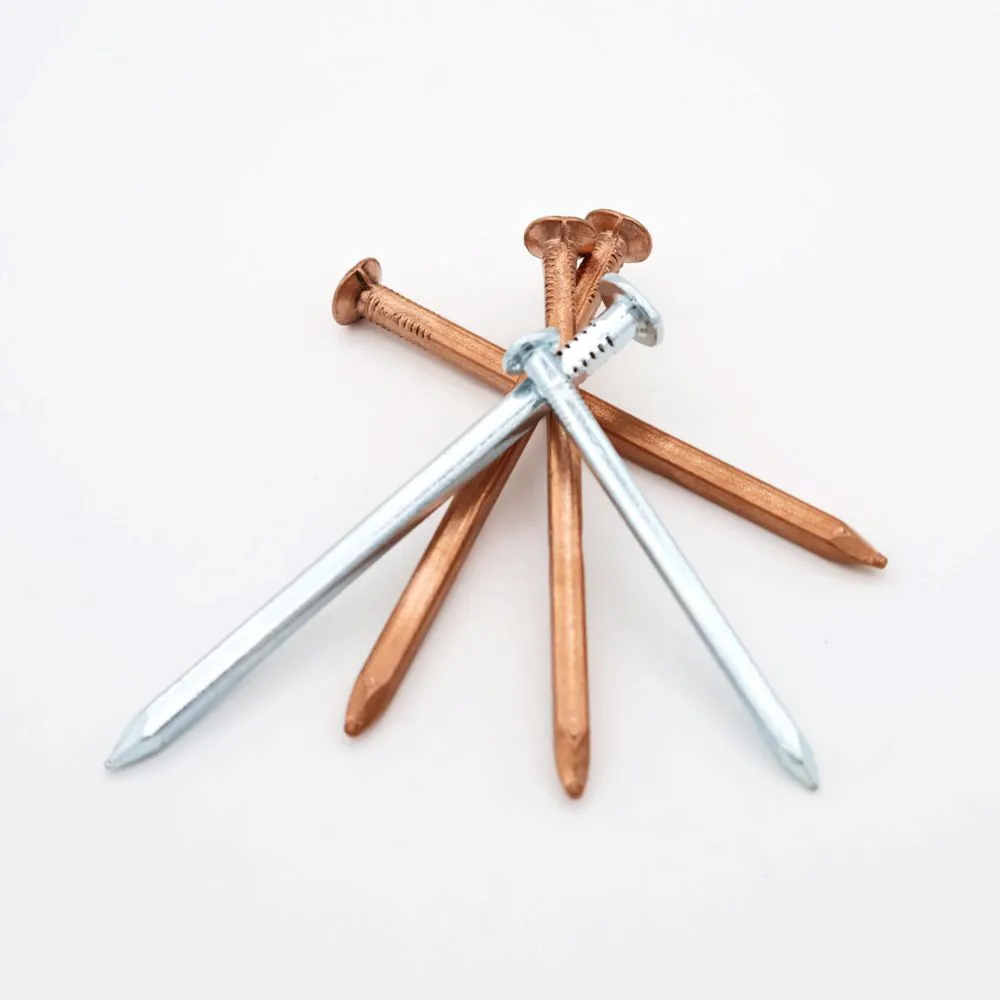
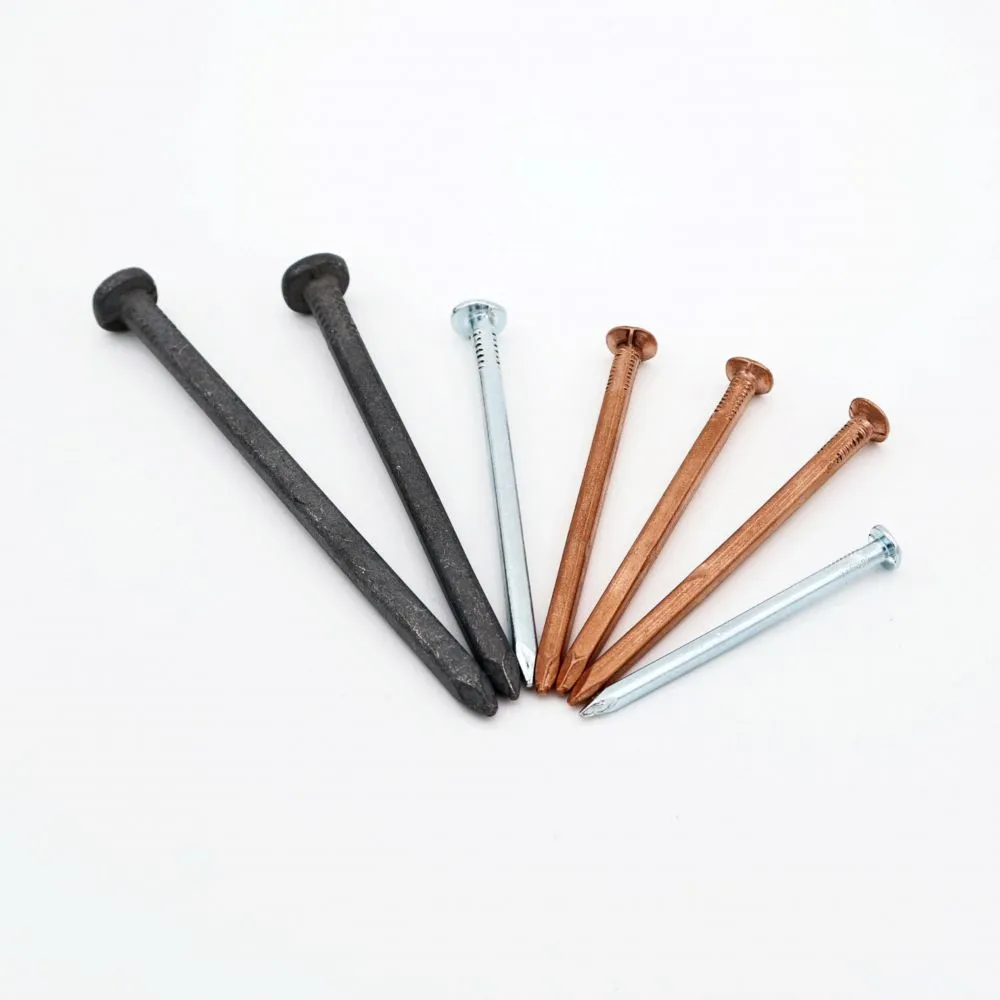
Boat nails, often with square shanks, provide strong holding power in hardwood.
7. Nail Size, Finish, and Packaging Matter
Beyond nail type, buyers should also consider:
Nail size and diameter
Surface finish
Packaging method and weight accuracy
Conclusion
Choosing the right nails for different applications is not just about price—it’s about performance, safety, and long-term reliability. Understanding nail types and application requirements ensures better results and fewer problems in real use.
Recently Posted
-
LINYI POWER METAL – Your Trusted Nail Manufacturer from China
March 20, 2026In today's competitive global market, finding a reliable supplier is more important than ever. For importers, wholesalers, and Read More
 -
Blue Concrete Steel Nails: A Reliable Choice for Construction Projects in the Caribbean
March 10, 2026In construction and woodworking projects, choosing the right nail is essential for strength, durability, and long-term performance Read More
 -
One-Stop Hardware Supply from China: Nails Manufacturing & Reliable Product Sourcing
March 5, 2026For many international buyers, finding a reliable supplier who can provide stable quality, competitive prices, and flexible servic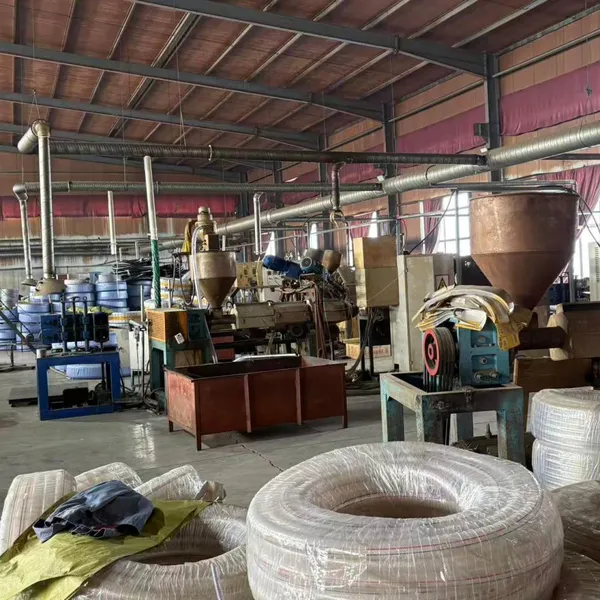 Read More
 -
Ring Shank Nails Explained: Stronger Holding Power for Wood Construction
February 17, 2026Article ContentRing shank nails are specially designed fasteners featuring circular ridges along the shank. Compared with smooth s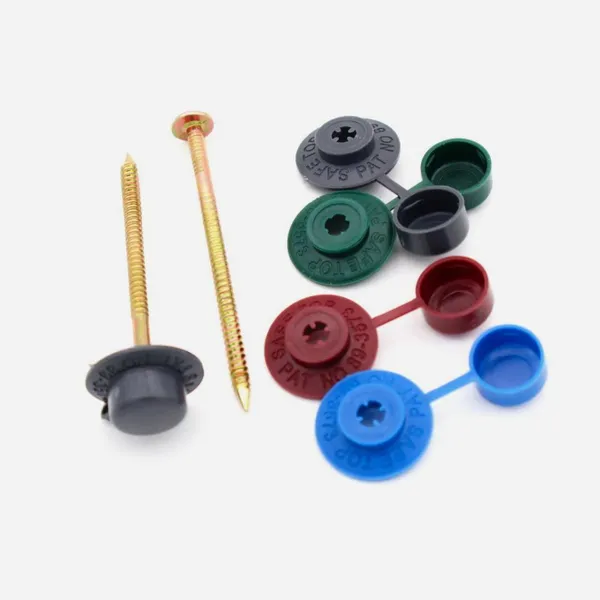 Read More

Contact Us
Recommended Products
-
 Factory Direct Common Nails | China Manufacturer Bulk Supply for Construction and BuildingNegotiableMOQ: 1 Ton
 -
Export Quality Round Wire Nails With Custom Packaging OptionsNegotiableMOQ: 5 Tons
-
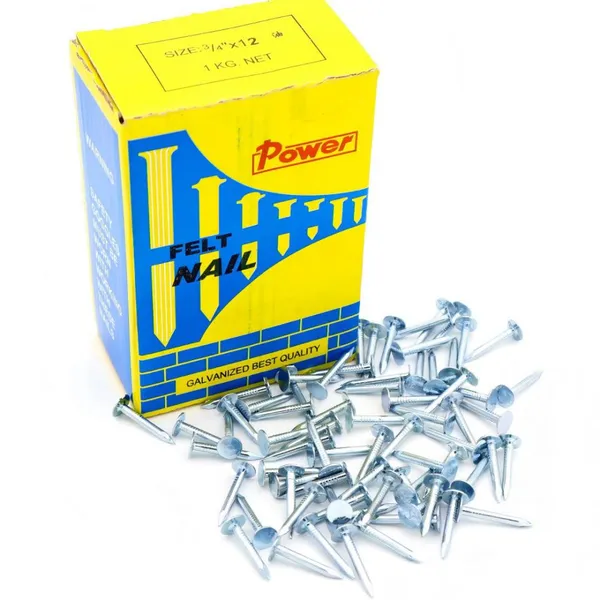
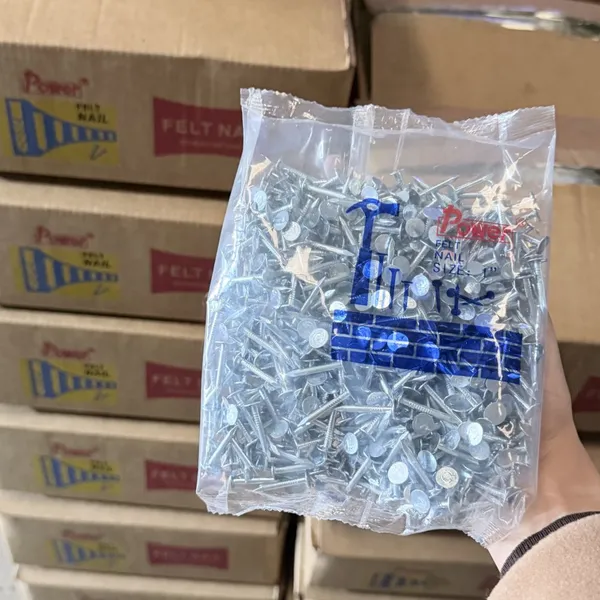
Felt Clout Nails Roofing Nails With Flat Head 1inhc 2inch 3inch 4inch Factory SupplyNegotiableMOQ: 1 Ton
-
Hot-Dipped Galvanized Clout Head Nails for Construction 1kg/bag Custom SizesNegotiableMOQ: 5 Tons
-
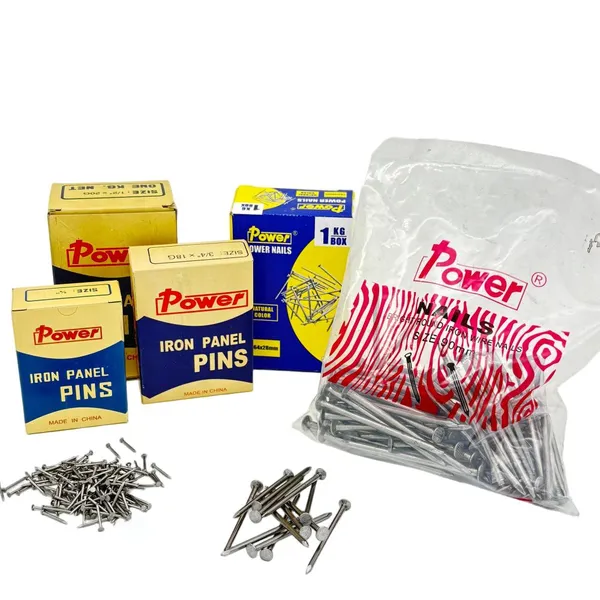
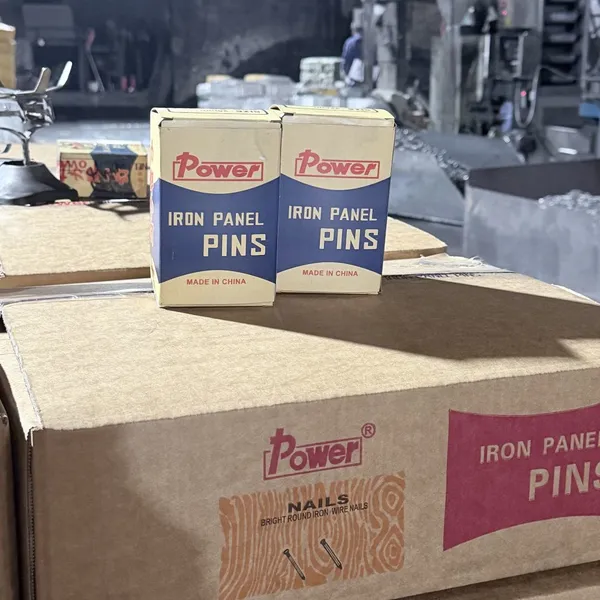
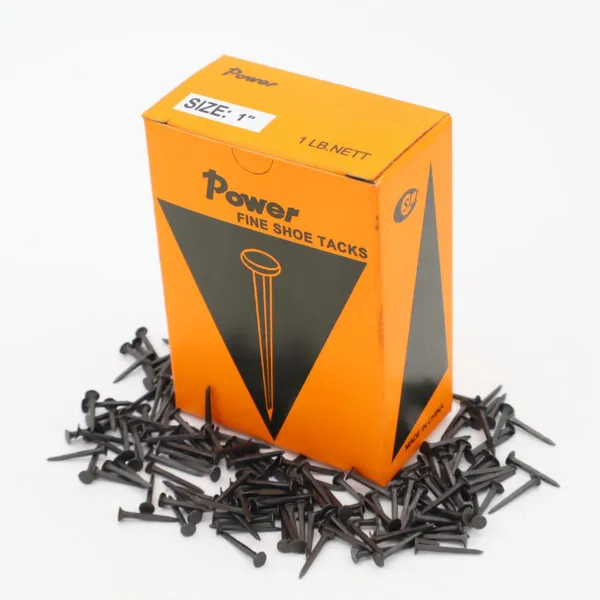
Power Shoe Tacks Rust-resistant Fine Blue Dark Finish Multiple Sizes Available for Leather & Fabric Fixing Smooth Shank TypeNegotiableMOQ: 1 Ton
-
Concrete Steel Nails Electro Galvanized & Black Finish 45#/55#/60# Cement NailsNegotiableMOQ: 1 Ton
-
Umbrella Head Roofing Nails From China Nail ManufacturerNegotiableMOQ: 1 Ton
-
IBR Nails Umbrella Head Roofing Nails With Washer Electro-Galvanized Spiral ShankNegotiableMOQ: 1 Ton
-
Safe Top Nails Plastic Cap Roofing Nails Ring Shank Spiral Shank Umbrella Head With WasherNegotiableMOQ: 1 Ton
-
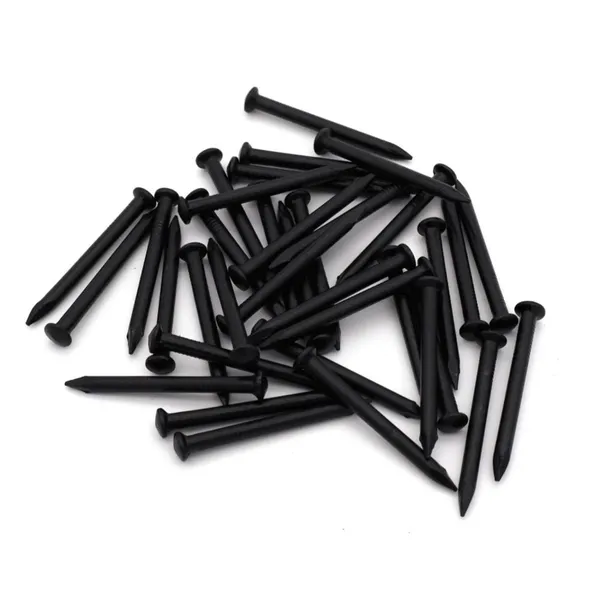
Factory Direct Finishing Nails - Custom Sizes & Packaging for Furniture MakersNegotiableMOQ: 5 Metric Tons
-
POWER Heavy Duty Boat Nails Q195 Steel | Bulk Supply | Guaranteed QualityNegotiableMOQ: 5 Metric Tons
-
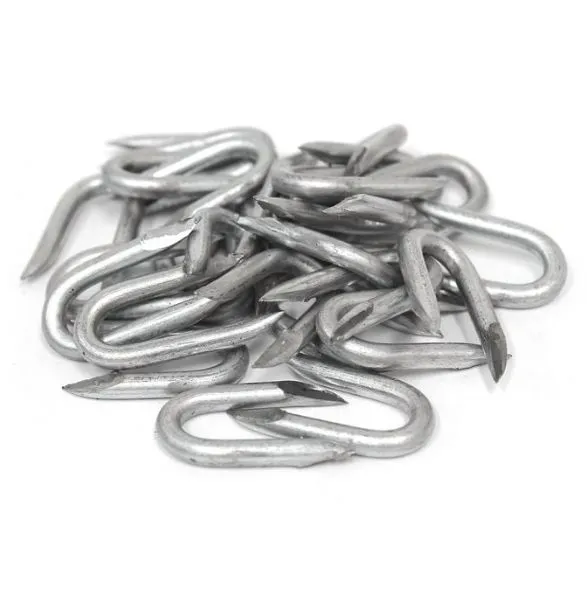
POWER U Type Nails Q195 Steel | China Factory Direct | Stable Quality & On-Time DeliveryNegotiableMOQ: 5 Metric Tons
-
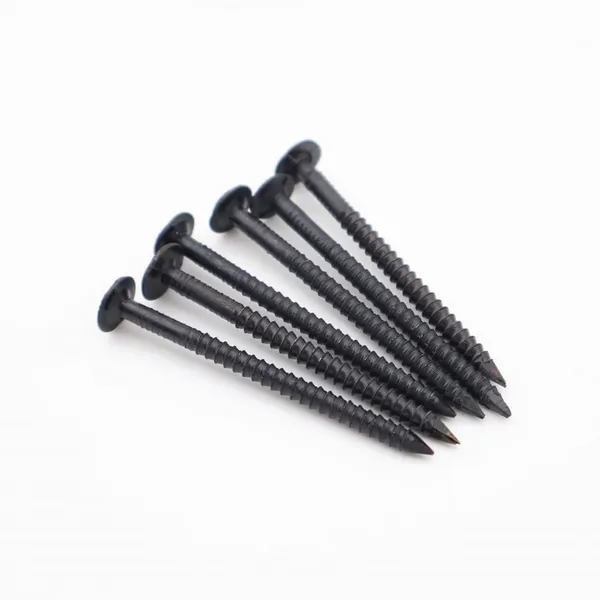
Ring Shank Nails With Enhanced Grip for Structural Timber ConnectionsNegotiableMOQ: 5 Metric Tons
-
Cheaper Iron Nail for Fence Construction - Free Samples & Custom SizingNegotiableMOQ: 1 Ton
-
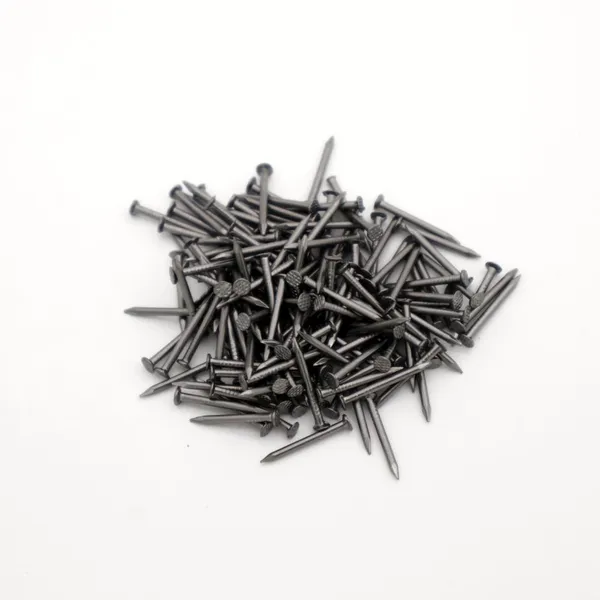
Bright Common Wire Nail 16D-60D for Wood Framing and RoofingNegotiableMOQ: 1 Ton
-
Solid Tire Wheelbarrow for Concrete Mixing - Heavy Gauge Steel & 100L CapacityNegotiableMOQ: 50 Pieces
-
600x600mm Square Composite Manhole Cover With Locking MechanismNegotiableMOQ: 50 Pieces
-
Heavy Duty Wheeled Dustbins With 120L Capacity Used With Garbage TrucksNegotiableMOQ: 100 Pieces
-
China PVC Garden Hose Factory Supply - Lead-Free & Eco-Friendly MaterialNegotiableMOQ: 100 Rolls
-
EN 124 Standard Road Drainage Ductile Iron Manhole Cover Class D400NegotiableMOQ: 50 Pieces